


Sickness has a way of testing faith, patience, and strength all at once. During these moments, many Muslims turn to a dua for sickness as a source of comfort and hope. This practice is deeply rooted in the Quran and Sunnah, offering words that soothe the heart while seeking a cure from Allah. Reciting a Shifa dua connects the sick person to a long tradition of believers who faced pain before finding relief through sincere prayer.
Whether the illness is minor or severe, turning to prayer for the sick in Islam brings peace during uncertain days. This guide explores authentic prayers, their meanings, and practical ways to recite them for healing and recovery.
Importance of Dua When Someone is Sick in Islam
Illness carries meaning beyond the physical body. In Islamic teaching, sickness is often seen as a test, a chance for reflection, and a path toward forgiveness. Turning to Islamic prayer for sickness is not a sign of weakness. It is an act of humility. Muslims believe that Allah alone holds the power to cure, and every disease has a cure written into its creation.
This belief shapes how families respond to illness. Medicine matters, and doctors play a vital role. Yet prayer walks alongside treatment, not against it. A prayer for the sick in Islam offers emotional strength during uncertain moments. It reminds the sick person that they are not alone, and that healing can come from unexpected places.
Dua for a Sick Person from the Quran

The Quran offers timeless words for moments of distress. One of the most recited verses comes from the story of Prophet Ayub, also known as Job, who endured illness for many years without losing faith. His words remain a powerful Shifa dua used by Muslims today. Reciting Quranic verses during sickness connects the sick person to a long chain of believers who faced similar trials.
These verses are short, memorable, and deeply moving. They do not require lengthy rituals or special conditions. Anyone can recite them quietly, whether sitting beside a hospital bed or lying in pain themselves. Below is one of the most well-known Quranic supplications for healing.
| Source | Arabic | Transliteration | Translation |
| Surah Al-Anbiya 21:83 | أَنِّي مَسَّنِيَ الضُّرُّ وَأَنتَ أَرْحَمُ الرَّاحِمِينَ | Annee massaniyad durru wa Anta arhamur raahimeen | “Verily, distress has seized me, and You are the Most Merciful of all those who show mercy.” |
This is the very dua Prophet Ayub recited before Allah cured him completely. It stands as proof that even the most severe illness can be reversed through sincere prayer and patience.
Dua for a Sick Person from Sunnah (Prophet’s ﷺ Duas)
The Sunnah preserves detailed guidance on how the Prophet ﷺ prayed during sickness. He often placed his hand on the area of pain while reciting specific words. This physical action combined with spoken prayer created a complete approach to healing, blending body, mind, and spirit into one sincere request.
Several Sunnah remedies for sickness have been passed down through authentic hadith collections. These prayers were used by the Prophet ﷺ himself and taught to his companions. Below is a table of the most commonly recited prophetic duas for illness, complete with their sources.
| Dua | Transliteration | Meaning | Source |
| اللَّهُمَّ ربَّ النَّاسِ ، أَذْهِب الْبَأسَ | Allaahumma Rabban-naas, adhhibil-ba’s, washfi antash-Shaafi | “Oh Allah, Sustainer of Mankind, remove the illness and cure the disease.” | Bukhari |
| أَسْأَلُ اللَّهَ الْعَظِيمَ رَبَّ الْعَرْشِ الْعَظِيمِ أَنْ يَشْفِيَكَ | As’alu Allah al-‘azim rabbil ‘arshil azim an yashifika | “I ask Allah, the Mighty, the Lord of the Mighty Throne, to cure you.” | Abu Dawood |
| يَا حَيُّ يَا قَيُّومُ بِرَحْمَتِكَ أَسْتَغِيثُ | Ya Hayyu Ya Qayyum, bi-Rahmatika astagheeth | “O Living, O Sustaining, in Your Mercy I seek relief.” | Tirmidhi |
The Prophet ﷺ once heard a man calling upon Allah using the names Ya Hayyu Ya Qayyum, and he remarked that this man had supplicated using Allah’s Greatest Name. This detail shows how the Names of Allah for healing carry special weight during moments of need.
Ruqyah Shariah for Healing and Sickness
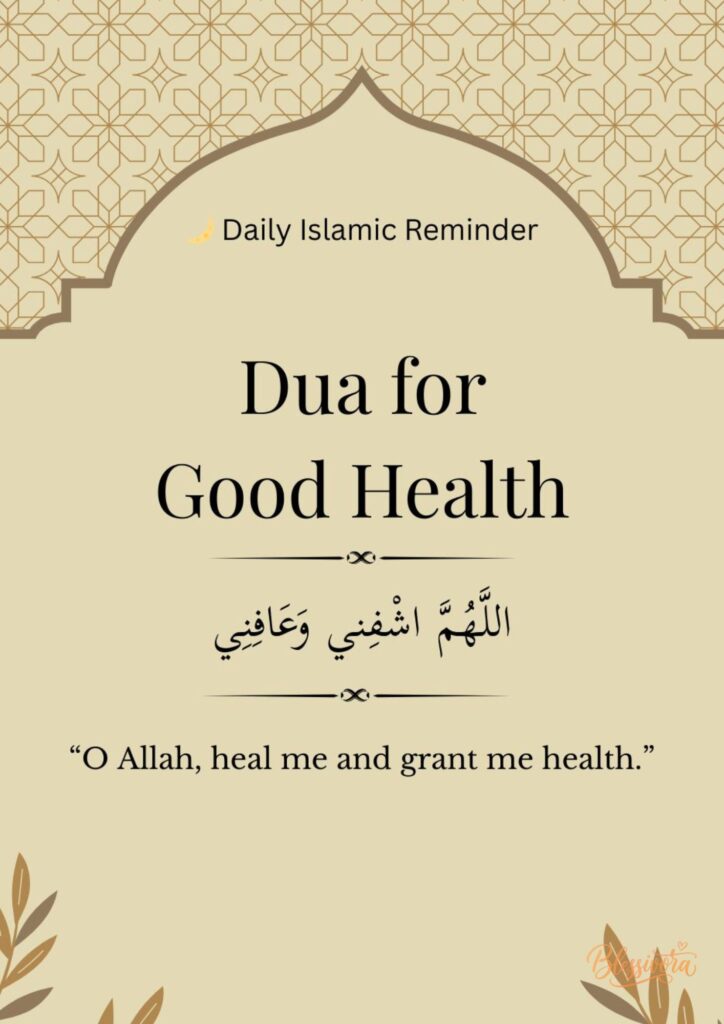
Ruqyah refers to a method of healing through recitation, and it holds a firm place in Islamic tradition. Aisha, the wife of the Prophet ﷺ, described how he would recite Surat An-Nas and Al-Falaq during his final illness, then blow his breath gently over his body. This practice became known as Ruqyah for healing, and it remains widely used today.
The method combines specific chapters from the Quran with physical breath, creating what many describe as spiritual healing in Islam at its most direct form. Families often perform Ruqyah for loved ones who are unconscious, in pain, or struggling with unexplained symptoms that medicine alone cannot fully address.
Dua to Recite When Visiting a Sick Person
Visiting someone who is unwell carries deep reward in Islamic tradition. This practice, known as Ayadat-ul-Marid, encourages believers to check on the sick, offer comfort, and pray on their behalf. A simple visit paired with sincere prayer can lift the spirits of someone facing a difficult diagnosis or long recovery.
Knowing the right dua to recite when visiting sick person removes any awkwardness about what to say. Instead of generic well-wishes, visitors can offer something meaningful rooted in centuries of practice. This small gesture often means more to the patient than expensive gifts or flowers ever could.
Dua for Quick and Complete Recovery
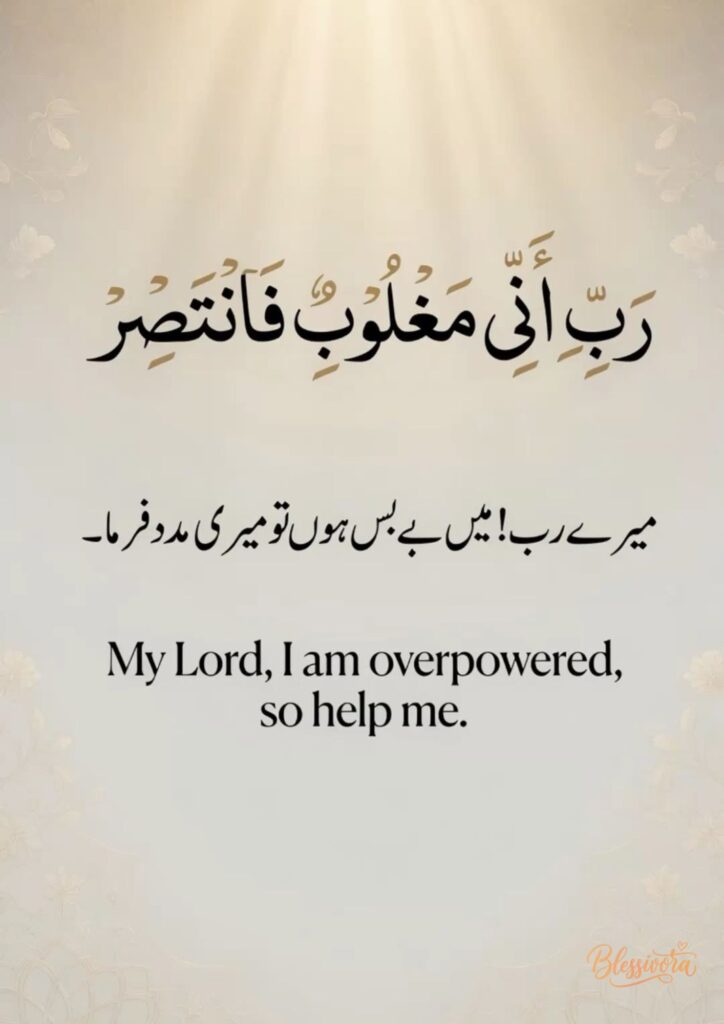
Some situations call for short, repeatable prayers that fit into a busy day. These prayers focus specifically on speed and completeness of healing, asking that no trace of illness remains behind. Reciting a dua for quick recovery seven times, as taught in several hadith, reflects the Prophetic tradition of repetition for emphasis and sincerity.
This approach works well for minor illnesses like colds, headaches, or temporary pain. It also suits ongoing prayer routines, where a person repeats the same words each morning and evening until full recovery arrives. Consistency, more than length, tends to matter most in these situations.
Dua for Sick Parents, Children, or Family Members
Watching a parent or child suffer through illness brings a unique kind of heartache. Islamic tradition offers guidance on adjusting standard prayers to include the name of the person who is unwell. This personal touch turns a general Islamic healing supplication into something specific and heartfelt.
A dua for sick family member follows the same structure as prayers said for oneself, with pronouns shifted to reflect who is being prayed for. Parents often say these prayers over their children’s beds at night, while adult children recite them quietly beside aging parents in hospital rooms.
Dua for Chronic Illness, Pain, or Long-term Sickness
Long-term sickness tests patience in ways that short illnesses never do. Islamic teaching acknowledges this struggle and offers specific prayers for ongoing pain, including conditions believed to stem from dua for evil eye (nazar/hasad) sickness, where envy from others is thought to affect health. These prayers ask for protection alongside physical cure.
Reciting longer chapters becomes especially valuable during dua for chronic illness. Many families choose to play Surah Baqarah, Yaseen, and Al-Waqi’ah throughout the home when illness lingers for weeks or months. The Prophet ﷺ once compared honey and the Quran to twin remedies, noting that honey and Quran as remedy together address both body and mind.
Benefits of Reciting Dua for the Sick

Beyond physical healing, prayer offers something medicine cannot fully replicate: peace of mind. Reciting Islamic remedies for illness regularly reduces anxiety and creates a sense of control during moments that otherwise feel overwhelming. This emotional steadiness often supports the body’s own healing process.
There is also a communal element worth noting. When friends and family gather to recite a Muslim prayer for health on someone’s behalf, it strengthens bonds and reminds the sick person they are supported. This shared act of dua for cure becomes a source of collective hope rather than a solitary burden.
Frequently Asked Questions
What is the powerful dua for sickness?
“Allaahumma Rabban-naas, adhhibil-ba’s, washfi antash-Shaafi laa shifaa’a illaa shifaa’uka” is widely considered one of the most powerful, since the Prophet ﷺ recited it himself for the sick.
Does a sick person’s dua get accepted?
Yes, many scholars note that the prayer of a sick person is especially likely to be accepted, since illness brings a person closer to sincerity and humility before Allah.
How to wish someone sick in Islam?
Say “Shifa Kamil” (complete healing) or recite a short healing dua while placing a hand near them, paired with a sincere wish for Allah to ease their pain.
How to ask Allah for immediate help?
Recite “Ya Hayyu Ya Qayyum, bi-Rahmatika astagheeth” (“O Living, O Sustaining, in Your Mercy I seek relief”), a dua the Prophet ﷺ called an answer to urgent needs.
What is Allah’s name for cure of illness?
Ash-Shaafee, meaning “The Healer,” is the name most associated with cure, reflecting Allah’s power to remove sickness and grant complete recovery.
Final Thoughts
Illness tests the body, but it often strengthens faith. Every prayer mentioned here, from the Quran to the Sunnah, offers a path toward comfort during difficult moments. Keep these words close, whether whispered for yourself or spoken softly beside someone you love. Allah remains Ash-Shaafee, The Healer, and every sincere dua for sick person carries the weight of that trust.